


As the year draws to a close and many celebrate another year of survival on this planet, reflecting on the quantity and quality of those years—and calculating the dwindling balance ahead—feels particularly appropriate. My friend, Zichen Wang, an inveterate smoker who views his habit with the detached air of a condemned man, once noted that since the life expectancy for Chinese men is 75, and his penchant for tobacco will surely shave off a few years, he is already well into his second act.
Such fatalism is, in many ways, a case in point for the arguments of Gordon G. Liu. As a Boya Distinguished Professor and Dean of the Institute for Global Health and Development at Peking University, he suggests that while the medical establishment is the final safety net, 60% of longevity depends not on the surgeon’s treatment but the individual’s lifestyle. This is particularly poignant in China, where the medical insurance fund is already being drawn to its limits.
China’s life expectancy at birth has climbed from 76 years in 2015 to 79 years in 2024, with the state now targeting a milestone of 80. Yet, as Liu explains in this interview, reaching that goal requires moving away from the costly downstream scramble of hospital treatments and toward a systemic integration of environmental policy, individual behaviour, and the predictive power of artificial intelligence.
The interview was published in the 8 December 2025 issue of Caijing magazine (Issue No. 25), a publication managed by CITIC Group. It is also available on the official WeChat blog of Caijing Health.
—Yuxuan Jia
Guilty as charged.
—Zichen Wang
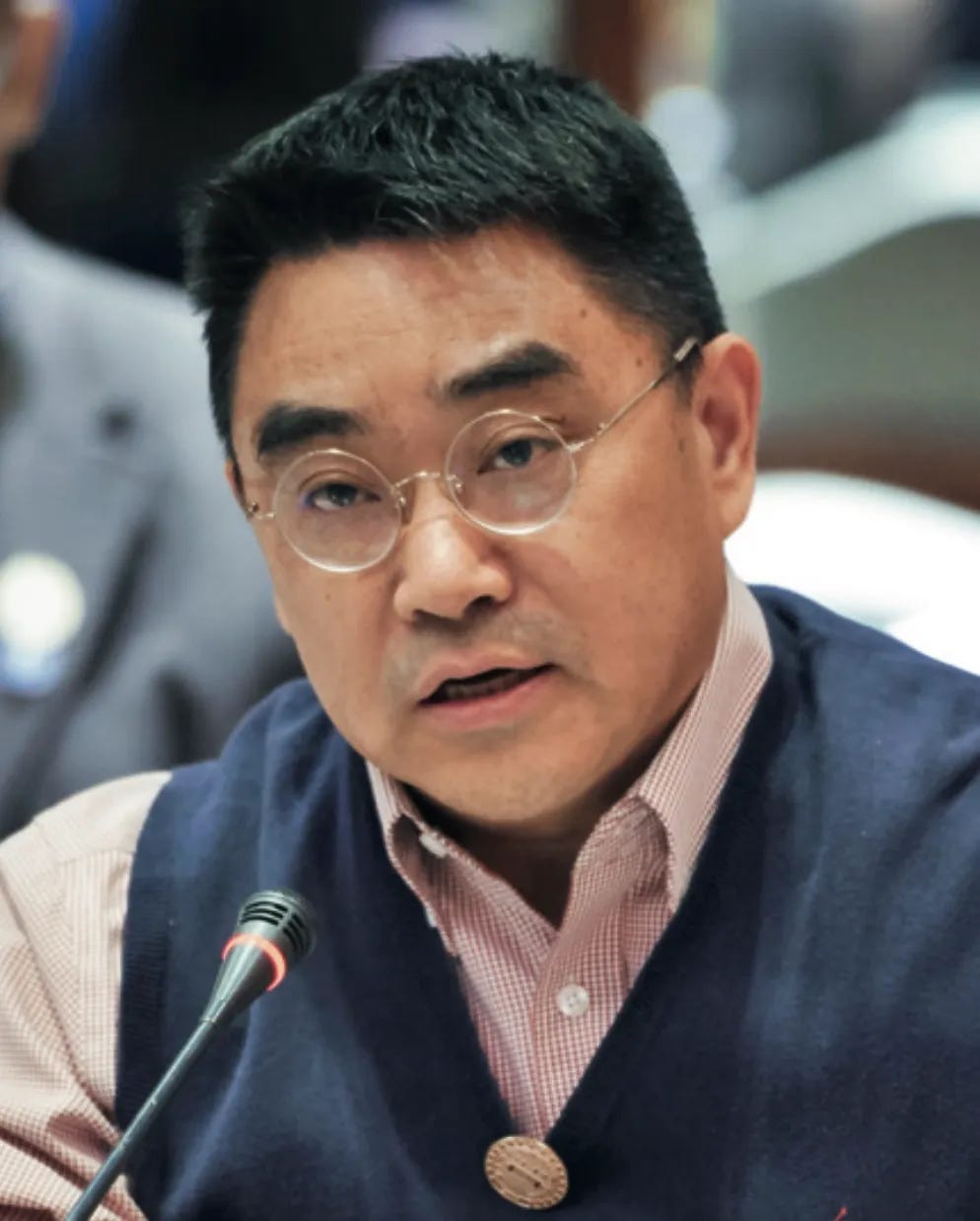
刘国恩:如何让80岁预期寿命目标落地
Gordon G. Liu: Turning the 80-Year Life Expectancy Goal into Reality
1. Life Expectancy Gains: More Than a Matter of Healthcare
Caijing: In your view, what core conditions are required to achieve the goal of increasing average life expectancy by one year? And at present, what are the key gaps or shortcomings?
Gordon G. Liu: Reaching the target is well within reach; the more critical question is how to get there. Gains in life expectancy hinge on three distinct dimensions, each carrying a very different weight.
To look at these from the most immediate level up: first, robust medical care. This ensures patients receive timely intervention, which is also the final safety net for human health. For example, managing the “golden window” for stroke treatment, prompt diagnosis of acute conditions, and cell or gene therapies are all vital for saving lives.
However, a large body of medical evidence shows that healthcare services account for less than 10% of overall health outcomes. Relying solely on clinical treatment to gain a full year of life expectancy is not only difficult but also prohibitively expensive.
Caijing: Which dimensions, then, carry more weight than medical care?
Gordon G. Liu: The ecological and social environments exert a greater influence on life expectancy than medical intervention, accounting for approximately 20%.
Research published in The Lancet demonstrates that physical environmental factors such as outdoor PM2.5 and indoor air pollution significantly increase the mortality risk from cardiovascular, cerebrovascular, and respiratory diseases by more than 40%.
Furthermore, global warming disrupts the ecological balance, triggering more frequent extreme temperatures, droughts, floods, and wildfires that pose direct threats to human health. The 2015 Paris Agreement aimed to limit the global temperature rise to within 1.5°C above pre-industrial levels by 2100. Unfortunately, this threshold was breached in December 2024. Current efforts must now focus on defending the 2°C “red line.”
The health dividends gained from environmental improvements are beyond the reach of any medical prescription. Similarly, the social environment is a major determinant of health. A fairer, more harmonious society with lower stress levels naturally fosters better health outcomes. Such environments reduce instances of extreme violence and accidental injury, thereby lowering the risk of non-natural death. They are all vital for extending longevity.
Finally, genetics accounts for roughly 10% of health outcomes. As these traits are inherited, the capacity for individual intervention is limited.
Caijing: What is the most fundamental dimension?
Gordon G. Liu: Compared to environmental factors and medical interventions, the most critical determinant of health is individual lifestyle and behaviour. This category can account for as much as 60% of health outcomes, making it the area with the highest potential cost-benefit payoff.
For non-communicable diseases such as metabolic disorders—often referred to in China as the “three highs” (high blood pressure, high blood sugar, high cholesterol)—gastrointestinal tumours, and respiratory cancers, the primary drivers are lifestyle habits and dietary structures. Take the mortality rate of chronic obstructive pulmonary disease (COPD) as an example: large-scale cohort studies in The New England Journal of Medicine indicate that the risk for smokers is 28 times that of non-smokers. The disparity in lung cancer mortality is similarly stark, at 26-fold, while cardiovascular and cerebrovascular risks also rise sharply with tobacco use.
Furthermore, smoking creates significant negative externalities through secondhand smoke. Given that smoking is a behaviour entirely within an individual’s control, addressing this single factor alone offers immense room for improving public health and longevity.
Obesity is another area where the potential for health gains is vast. The combination of poor diets and a lack of exercise, which leads to weight gain and all the chronic illnesses that come with it, has become one of the biggest health threats facing people all over the world today.
In response, the National Health Commission’s “Weight Management Year” is an excellent initiative. Promoting weight management and healthy living at a societal level does more than lower the risk of chronic illness and enhance physical and mental well-being; it fosters a higher level of social health and civic responsibility.
In summary, the most effective lever for increasing average life expectancy is guiding society toward healthier habits rather than relying on medical interventions as a last resort. Success depends on significantly lowering the risk and mortality of major chronic diseases. Historically, a lack of emphasis on “upstream” prevention has shifted the burden onto “downstream” treatments. This has created a system that requires more effort and more spending, but delivers fewer results.
2. Balancing Medical Services: Breaking the Pull of Major Hospitals Is Key
Caijing: After years of healthcare reform, which aspects of the “imbalanced and inadequate” development in China’s health system and public services have seen the most improvement?
Gordon G. Liu: The biggest imbalance is still the way resources are unevenly split between major hospitals and primary-level medical institutions. This is the heart of the challenge that healthcare reform must tackle over the long term. Most experts in the field are fully aware of the issue; the real problem is that the entrenched “siphoning effect” of large hospitals—where they pull in the vast majority of patients, talent, and funding—is simply too strong.
China’s 2009 healthcare reform plan introduced the “tiered diagnosis and treatment system” specifically to tackle this structural issue. The guiding principle is simple: initial diagnosis at the local level, two-way referrals, separating acute and chronic cases, and better coordination between all levels of care. In plain terms, this means giving different medical institutions clear roles. The goal is to guide patients to seek care at smaller community clinics first. If a condition cannot be treated there, the patient is referred to a major hospital. Once the main treatment is finished, the patient can return to a nearby community facility for recovery and follow-up care.
If greater progress can be made in advancing this tiered system during the upcoming Fifteenth Five-Year Plan period (2026-2030), it would create substantial room to improve both fairness and efficiency. Medical resources could be managed more economically, and the gains in life expectancy could be even more significant. Of course, achieving this is by no means an easy task.
Caijing: Tiered diagnosis and treatment have been promoted for many years, yet progress remains slow. Where should greater effort be focused during the Fifteenth Five-Year Plan period?
Gordon G. Liu: To break the deadlock during the Fifteenth Five-Year Plan, the core challenge is “liberating” doctors. Medical professionals need to move away from being “institution-based employees” tied to a single hospital and become independent professionals with the freedom to practice across society. A vital step in this process is building a comprehensive support system so that doctors feel comfortable practising in community settings.
The logic behind tiered care is straightforward: community clinics should take the lead in chronic disease management and health promotion, while major upstream hospitals focus on acute, severe, and complex cases. Whether looking at this through medical theory or economic logic, tiered care is a more efficient way to deliver healthcare.
Yet, actual patient behaviour tells a different story. Large hospitals are currently burdened not only with critical cases but also with a massive volume of routine outpatient visits. Meanwhile, primary healthcare institutions have suffered from weak demand that continues to decline.
Official data illustrate this vividly. Between 2011 and 2023, total medical visits nationwide increased by 52%, but visits to primary clinics rose by only 30%, well below the national average. During the same period, visits to tertiary hospitals surged from 900 million to 2.63 billion, an increase of 192%. What does this imply? It is unlikely that the population’s health has deteriorated so dramatically that everyone must go to a major hospital. Instead, it is clear that the siphoning effect of large hospitals has intensified.
In reality, patients follow doctors, but millions of doctors remain tied to their specific institutions. Their career growth, social standing, income, and retirement security are all locked within major hospitals, making it very difficult for them to leave. If a majority of these professionals could practice in community clinics, the labour costs at major hospitals would also drop substantially.
At the same time, a significant portion of the outpatient revenue currently sitting in large hospitals could be reallocated to community platforms. This would directly support general practitioners with more stable, convenient income streams, which in turn would better promote public health and chronic disease management.
From a payment perspective, general practice should be funded by universal health insurance on a capitation basis. The income of a general practitioner would then depend primarily on the number of residents served. This naturally removes the incentive for cash gifts, kickbacks, or the practice of travelling to smaller hospitals to perform unofficial, high-fee surgeries on the side.
Looking globally, in the vast majority of countries and regions, the bulk of a doctor’s income—aside from those in full-time roles within emergency and inpatient wards—comes from providing general services to their own community through local clinics. In these systems, doctors enjoy both high income levels and high social standing. From the perspective of service efficiency and medical outcomes, the community-based care model clearly outperforms the centralised care model of large hospitals, especially for chronic disease management and health promotion.
Take the UK’s National Health Service (NHS) as an example. Community general practitioners act as “gatekeepers.” Patients visit their local GP first, which keeps the vast majority of outpatient care within the community. Only those requiring specialised treatment are referred to large hospitals. Hospitals are no longer congested, and the overall efficiency of the health system naturally improves.
The goal of the NHS is not merely to relieve the pressure on hospitals, but to build a health support network that intervenes earlier, operates more continuously, and responds more frequently. This makes primary care the true backbone of the national health system. It returns to the logic discussed earlier: a healthcare model where prevention is prioritised over treatment.
Therefore, during the Fifteenth Five-Year Plan period, there is massive potential to reallocate resources more effectively and guide service provision in the right direction. The most critical step is enabling general practitioners and medical resources to truly move downstream into communities.
3. Sustainability of the Health Insurance Fund: Upstream Action Is Far More Effective Than Downstream Control
Caijing: The Fifteenth Five-Year Plan places strong emphasis on the sustainability of the health insurance fund. How challenging do you think this task will be?
Gordon G. Liu: Whether the health insurance fund will eventually “run dry” cannot be addressed solely by tweaking payment mechanisms. The sustainability of the fund ultimately hinges on promoting population-wide health, reducing avoidable, non-essential medical demand, and easing the pressure on medical services as the final line of defence for human life and health.
At its core, health insurance is a system that “pays for illness.” It covers hospital treatments and serves as the last safety net for health. However, if upstream defences such as healthy lifestyles and environmental conditions fail, the result is a surge in chronic and severe illnesses. If that happens, whether the insurance system can hold its ground becomes a serious question.
If upstream health defences are weak, relying only on downstream controls, such as regulating prices or reimbursement scopes, makes it nearly impossible to satisfy both patients and enterprises. Achieving a win-win outcome under those circumstances is far too difficult. However, if the total volume of unnecessary demand is reduced, limited insurance resources can be better allocated to rigid, unavoidable medical needs.
Take lung cancer as an example. When a patient is diagnosed at an advanced stage due to long-term smoking, treatment costs can easily reach hundreds of thousands of yuan. Even after insurance, the individual bears a heavy financial burden, and survival is never guaranteed. Yet, if smoking cessation occurs early, these massive costs are avoided, lives are saved, and resources are conserved. This is the value of upstream prevention to both health insurance and human life.
Caijing: So what should be done?
Gordon G. Liu: Ensuring the sustainability of the health insurance fund requires coordinated action across multiple departments, including health, drug regulation, agriculture, environmental protection, and education, to truly implement the Healthy China 2030 initiative. Taking this collaborative approach will achieve results with far greater efficiency.
Multiple departments must join efforts to focus on the “front end.” For instance, improvements in individual lifestyles can significantly lower the incidence of major diseases like lung and gastric cancer, directly alleviating pressure on the insurance fund. When environmental authorities tackle pollution, agricultural departments ensure food safety, and drug regulators oversee pharmaceutical quality, they are all reducing health risks at the source.
If a patient with a chronic condition is managed well enough to avoid deteriorating into severe illness or hospitalisation, the insurance system saves a substantial amount of money. This is the cumulative effect of interventions across multiple stages. Research shows that lifestyle factors account for 50% to 60% of the impact on health and longevity. This is why the Healthy China initiative emphasises that every individual must become the first “gatekeeper” of their own health.
Rising life expectancy itself also lowers the pressure on insurance. Research indicates that medical spending in the final year of life accounts for 20% to 30% of an individual’s lifetime expenditures, with 40% of that occurring in the final three months. Notably, however, for patients over the age of 70, end-of-life spending actually begins to decline. Therefore, the longer the period of healthy life expectancy, the fewer resources are consumed at the terminal stage.
Healthy China requires the joint participation of the entire society and multiple government departments. Whether the goal is longer life, balanced supply and demand, or fund sustainability, the core solution is not to push more pressure onto the healthcare and insurance systems. Instead, it lies in moving the threshold of health management upstream, mobilising individuals, society, and government departments to act together.
4. Health in All Policies: Artificial Intelligence as an Opportunity
Caijing: China’s healthcare system is shifting towards full life-cycle management. What new opportunities do you see in this transition?
Gordon G. Liu: At present, the greatest opportunity lies in the application of big data and artificial intelligence in chronic disease management and general practice.
China is rapidly shifting toward a society where chronic diseases are the primary health burden. Managing these conditions requires long-term monitoring and continuous care, which is difficult and costly to achieve through manual means alone. AI-enabled wearable devices, however, can monitor key indicators in real time and rapidly aggregate, analyse, provide feedback, and facilitate timely intervention. This enables high efficiency and low cost.
Medication adherence is another long-standing challenge. Many patients stop their treatment as soon as they feel better, leading to outcomes that require far more effort for far less gain. AI wearables can play an unprecedented role in monitoring, reminding, and guiding patients, offering enormous potential to reduce costs and boost efficiency. These technologies allow healthcare to shift from “reactive treatment” to “proactive prevention and ongoing management,” which aligns perfectly with the goal of full life-cycle health management.
Caijing: Concepts such as “full life-cycle management” and “Health in All Policies” appear closely aligned with the public-interest project your team is developing—the Planetary Health Axis System (PHAS). Could you elaborate on this?
Gordon G. Liu: In the past, the vast amount of data influencing human health was fragmented and siloed across different sectors and departments worldwide. Traditional methods struggled to integrate these datasets for comprehensive, system-level analysis. The required investment was enormous, and the prospects for direct commercial returns were limited.
Following the surge of artificial intelligence in 2023, the emergence of global AI public goods such as ChatGPT and DeepSeek made it possible to integrate such information far more efficiently. Leveraging the immense capabilities of AI, our Peking University team began collecting, consolidating, organising, and analysing data related to planetary health. Through interdisciplinary modelling that combines economics, statistics, ecology, Earth sciences, and systems science, we have for the first time attempted to construct the Planetary Health Axis System (PHAS).
PHAS dynamically maps the distance between human development and planetary limits across four core dimensions: human health, species health, environment health, and societal health. By utilising more than 48,000 key variables, the system functions as an AI-powered digital “compass,” providing the monitoring, early warning, and forecasting necessary for interventions that support the sustainable advancement of human civilisation.
PHAS was officially released in October and November 2025 at the World Health Summit in Berlin and the Beijing Forum, respectively. The international response has been highly positive, and our team is now fully committed to advancing the second phase of development.
In the future, PHAS can empower regional and department-level research into complex health systems. It is highly compatible with the “Health in All Policies” approach because it helps break down institutional silos. For example, when environmental authorities formulate carbon-reduction policies, they can directly assess the impact of emissions cuts on cardiovascular mortality. And when agricultural departments optimise cropping structures, they can account for the effects of specific crop nutrition on chronic disease.
By precisely linking macro-level policy choices with individual health outcomes, PHAS serves as a practical platform for integrated technologies. It enables health governance to move from fragmentation toward systemic coordination.

Gordon G. Liu: community clinics, rational drug use, and surgical robots could help China achieve accessible healthcare

Gordon G. Liu is BOYA Distinguished Professor of Economics, Dean of the Institute for Global Health and Development, and Director of the China Centre for Health Economic Research at Peking University.
Gordon G. Liu on China's healthcare reforms: overcrowded clinics, underpowered pharma

Most Chinese patients tend to seek primary care at tertiary hospitals—the top tier of China’s three-level healthcare system—even for minor ailments. This has resulted in overcrowding at higher-level hospitals and the continued underdevelopment of community-based medical services. Institutional barriers that restrict practitioners from working across mul…
Gordon G. Liu: Can AI reduce the price of healthcare?

Gordon G. Liu is BOYA Distinguished Professor of Economics, Dean of the Institute for Global Health and Development (GHD), and Director of the China Centre for Health Economic Research at Peking University.
Gordon G. Liu on China's healthcare reforms, drug innovation & future pandemic response

Gordon Guoen Liu, PKU BOYA Distinguished Professor of Economics at the National School of Development (NSD) and Dean of the Institute for Global Health and Development at Peking University, is a leading figure in health economics in China. In one of a
Mr Wang, it’s not too late to change your lifestyle! Try going for daily walks, or even a short jog, especially when you feel the urge to smoke. Best wishes for 2026!