
The East is Read locates, summarizes, contextualizes, and translates Chinese articles, speeches, and policy documents from Chinese mainland sources. The newsletter is hosted by the Center for China and Globalization (CCG), a leading non-government think tank in Beijing that takes no position on the issues raised in the newsletter.
You are also welcome to check out Pekingnology and CCG Update. Together with The East is Read, they are operated by Mr. Zichen Wang and Ms. Yuxuan Jia at CCG.
For a continuously updated record of how Pekingnology, The East is Read, and their editors have been cited, quoted, referenced, recommended, or republished by media, governments, think tanks, universities, academic publications, and other influential voices since 2021, see this spreadsheet (constructed with the help of ChatGPT).
Zichen Wang has been the Editor of these newsletters since their founding. After growing up in China and earning a bachelor’s degree from Shandong Economic University (now Shandong University of Finance and Economics) in July 2011, he worked for 11 years at Xinhua News Agency, including two and a half years as its European Union correspondent in Brussels.
He joined CCG full-time in October 2022 after leaving Xinhua. From July 2024 to June 2025, while on sabbatical from CCG, he earned a mid-career Master in Public Policy (MPP) degree at the School of Public and International Affairs (SPIA), Princeton University, fully funded by an SPIA fellowship. He returned to CCG upon graduation.
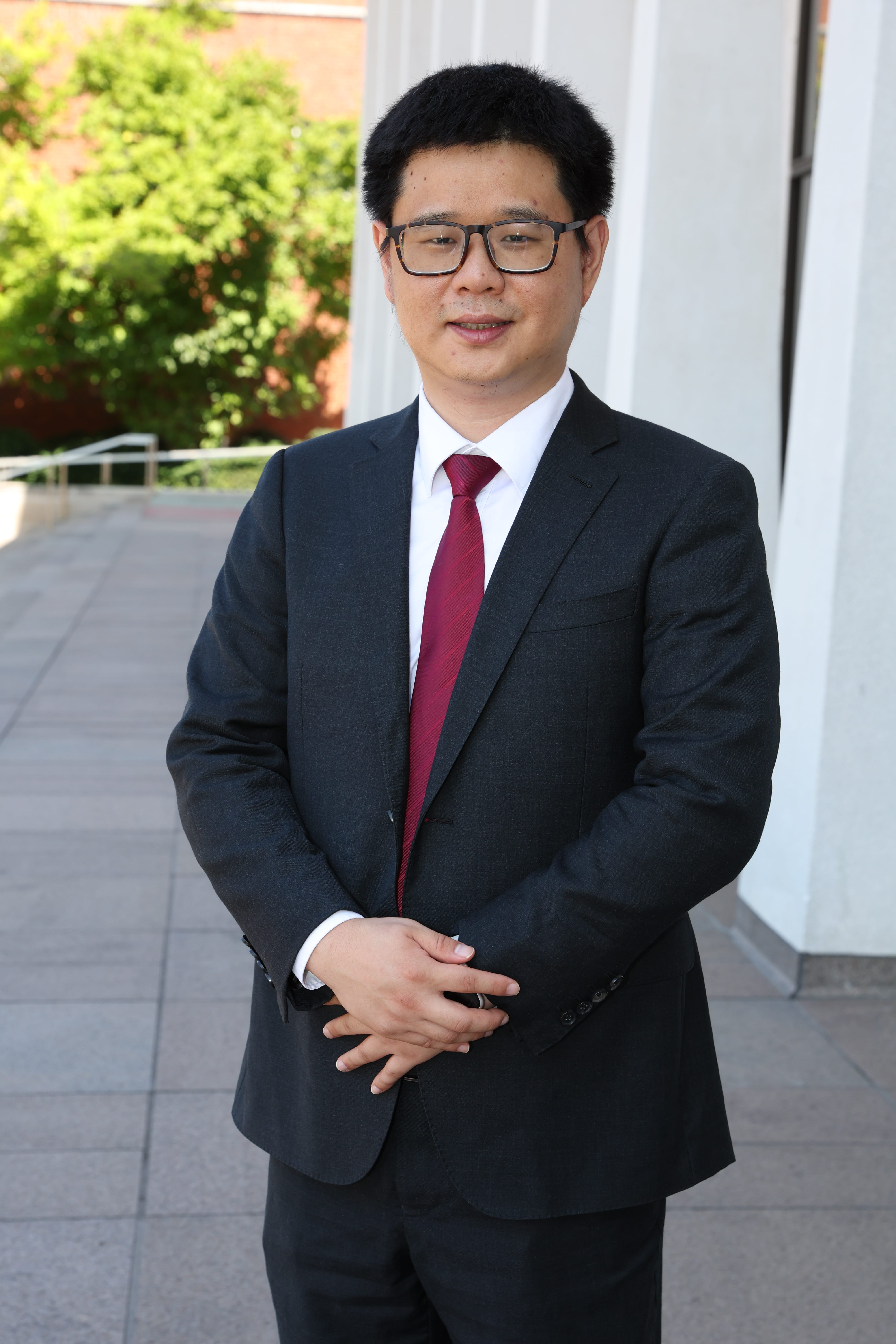
Yuxuan Jia has been the Associate Editor of The East is Read and CCG Update since July 2023, when she joined CCG after graduating from Beijing Foreign Studies University with a bachelor’s degree.

The East is Read typically follows the following editorial workflow. With occasional input from Yuxuan Jia, Zichen Wang selects and assigns specific topics or source articles. The assigned material is translated by one of two to four students currently enrolled in undergraduate or graduate programs, who typically work remotely as part-time contributors for three to six months. Yuxuan then proofreads the translation and writes the introduction preceding the full text. The introduction usually provides a summary of the source material, but may also include editorial analysis or commentary. Zichen makes the final revisions and conducts the final editorial review before publication.
Founded and led by Henry Huiyao Wang and Mabel Lu Miao, CCG has been granted the official special consultative status by the Economic and Social Council of the United Nations (ECOSOC) as a “non-governmental organization.” In the 2020 Global Go To Think Tank Index by the University of Pennsylvania Think Tank and Civil Society Program (TTCSP), CCG ranked among the top think tanks worldwide and the top 50 “best independent think tanks.”
CCG has been recognized as a “4A non-governmental organization” by the Beijing Municipal Government Civil Affairs Department.
Reply to this email - and other newsletters to engage with us.
Use of AI
Artificial intelligence, especially ChatGPT, is widely used, but not as a substitute for editorial judgment. Many posts here involve translating Chinese-language materials into English. In such cases, AI is often used to generate a first draft, which is then subject to rigorous human review, correction, and editing before publication.
For analytical or commentary pieces, where the main value lies not in translation but in argument and interpretation, AI plays a different role. I almost always develop all the points myself and the logic connecting them, then use ChatGPT to help write them up — essentially sewing the ideas together into a more readable draft. In that process, AI also serves as a polisher and copy editor. While I am reasonably confident in my English, it is not my native language, and I believe responsible use of AI can make my wording more precise and fluent. Every piece is still checked and edited by me. Some readers may feel that the language occasionally sounds “AI-generated”; that is because AI is used as a polishing and copy-editing tool, not because the ideas, judgments, or final editorial decisions are outsourced to AI.
