

Can a 20-yuan ($2.80) cup of milk tea be a “legal drug”? For CHAGEE, a Chinese tea chain that has expanded to more than 7,000 stores worldwide, the question triggered a full-scale reputational crisis just six months after its Nasdaq debut.

From a Viral Thread to Market Volatility
The controversy began on December 23 with a post on Zhihu, China’s Quora-like platform, by influential blogger Ma Dugong. In the context of a separate, heated national debate over a revised law due to take effect on 1 January 2026 that will seal certain police records, including minor drug offences, he wrote that some high-caffeine drinks, including those sold by BaWang ChaJi— branded overseas as CHAGEE—were “skirting the edges of being a quasi-drug”.
Once the line was extracted and circulated on Weibo, China’s equivalent of Twitter/X, on December 25, it spread rapidly. By December 26, “#BaWangChaJi caffeine#” had rocketed to the platform’s top trending topics.
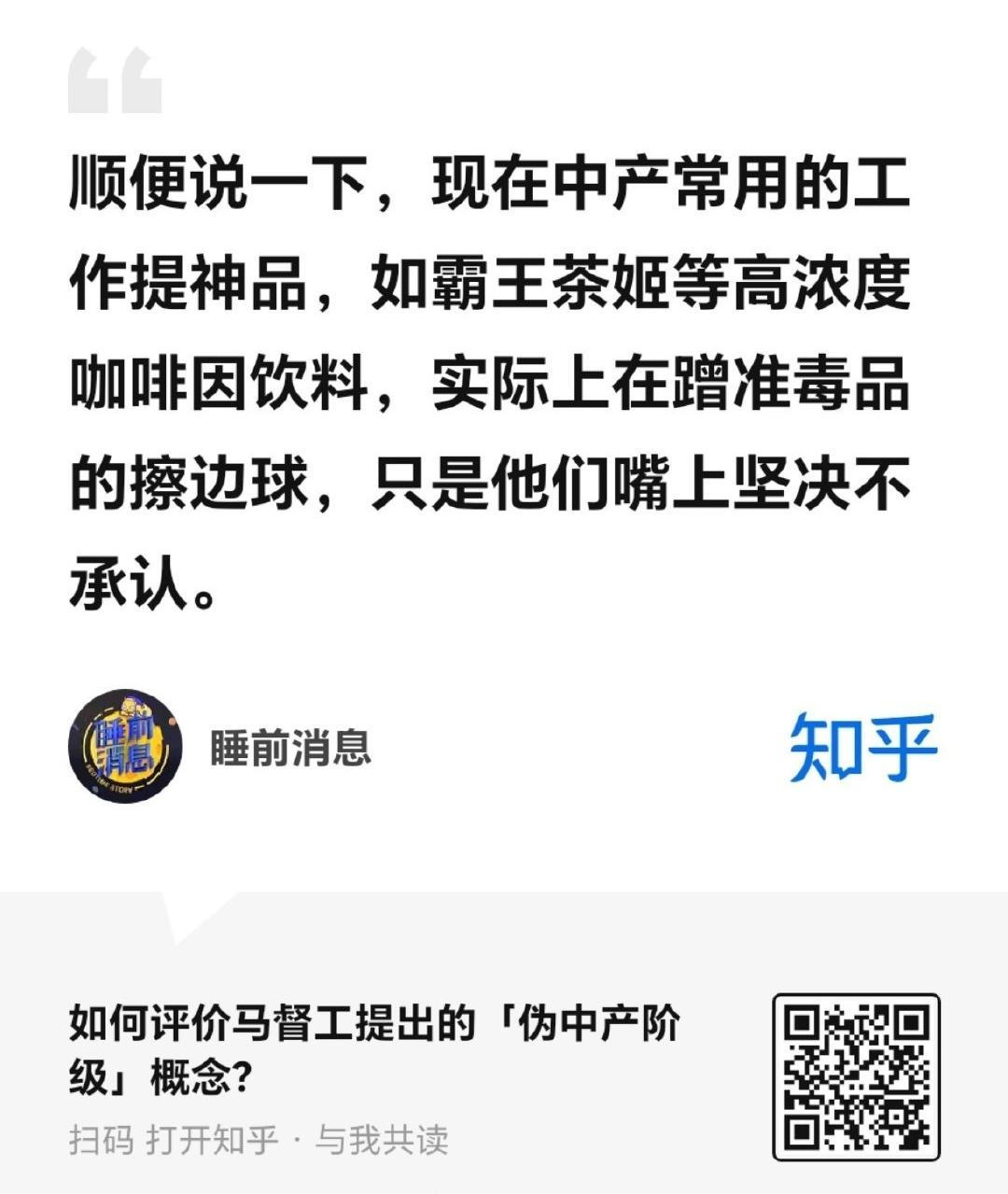
The rumour struck a nerve. Social media users shared accounts of “harrowing experience” after drinking the chain’s tea, including prolonged insomnia, heart palpitations, and anxiety described as “withdrawal-like”.
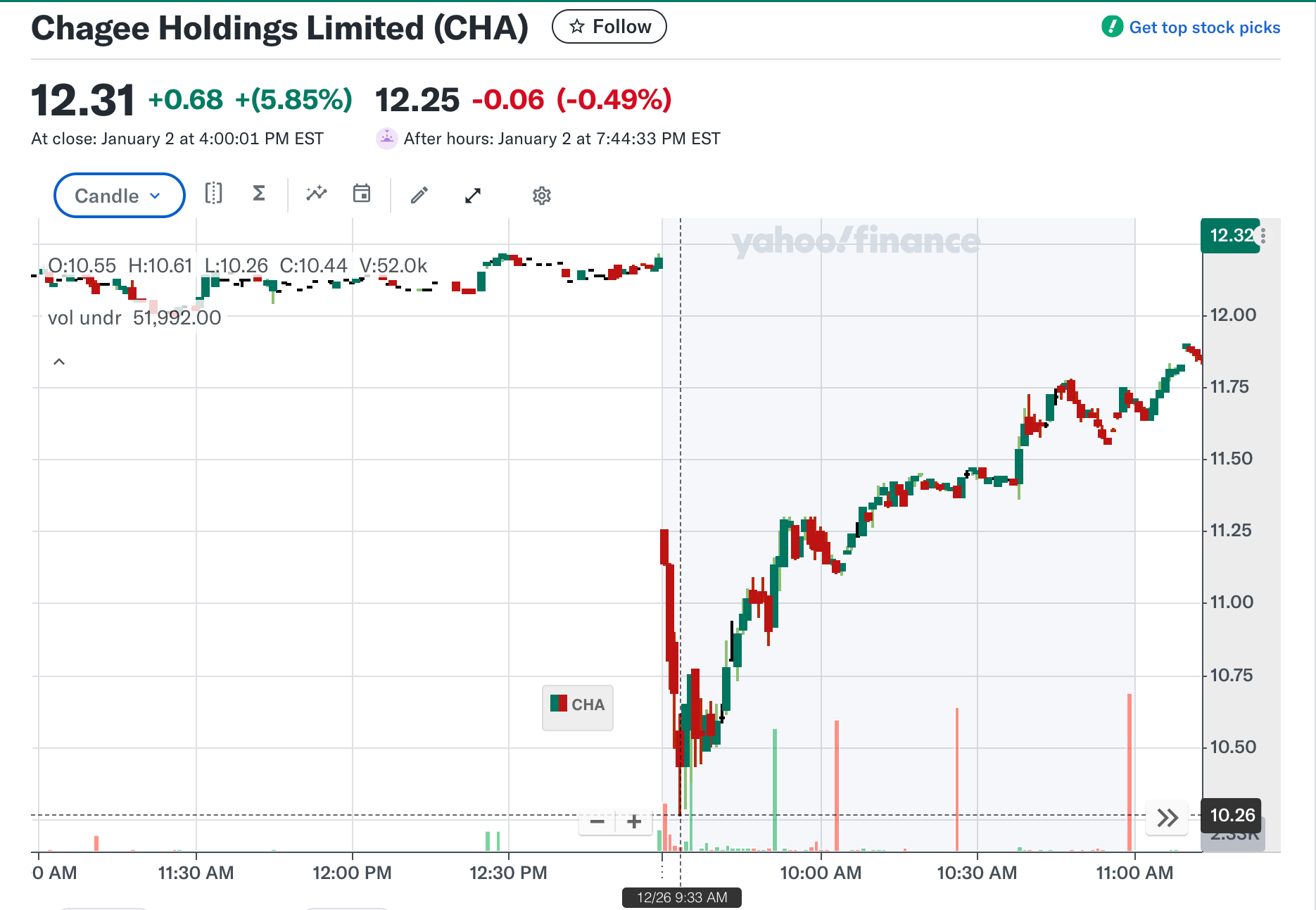
The panic quickly spilt into financial markets. On December 26, CHAGEE’s U.S.-listed stock (Nasdaq: CHA) plunged as much as 14% intraday, wiping out an estimated $200 million in market value. Although shares later rebounded somewhat to close down about 2.5% at $11.90, the scare still dragged the stock to its lowest point since the company’s April 2025 IPO—more than 50% below its debut price.
Official Rebuttals and a Question of Dosage
CHAGEE responded the same evening. In a Weibo statement posted around 10 p.m. on December 26, the company rejected the allegations, saying its products comply with food safety standards and contain caffeine levels comparable to ordinary tea and coffee.
“A cup of our freshly brewed original-leaf milk tea has about the same caffeine per 100 ml as a latte, and significantly less than an Americano,” the company said. It also pointed to “light-caffeine” options introduced earlier in 2025.
The response was part damage-control and part public education. Half of Chinese consumers did not even realise tea naturally contains caffeine, a 2023 survey found.
As the panic grew, authorities soon intervened. On December 27, the Shanghai Narcotics Control Commission Office (“Shanghai Anti-Drug”) addressed the uproar, warning that “to talk about toxicity without considering dosage is plain sophistry”. While caffeine is classified as a Category II psychotropic substance in China, the designation applies only to high-purity caffeine for non-food uses, such as pharmaceuticals or illicit production, the agency said. The trace amounts found naturally in beverages are not treated as illegal.
State media echoed the rebuttal. People’s Daily warned that the controversy risked stigmatising the entire new-style tea industry, not just one brand. Xinhua also weighed in, calling it absurd to conflate naturally occurring caffeine in tea with tightly controlled psychotropic substances. Framing tea drinks as “drugs,” it said, was a smear on Chinese tea culture and highlighted the need for clearer consumer education as the sector expands.
Drug Scares and the Chinese Psyche
This food safety scare revealed an enduring reality: China’s public harbours a hair-trigger sensitivity to anything suggestive of drugs or addiction.
The timing of the CHAGEE episode was no coincidence. It fed directly off a broader online fight over a revised law that will seal certain police records, including minor drug offences. On Chinese social media, the measure was widely misread as “sealing drug use records” to possibly “condone drug users,” fuelled suspicions that drug users were being quietly absolved. A viral meme, “Which young master did drugs?” which insinuates that perhaps some well-connected elite’s child got caught using drugs, spurring a law to hide that record, captured public distrust.
In this climate of heightened vigilance, the suggestion that a popular milk-tea brand might be selling a “soft drug” struck a national nerve. China’s decades-long, zero-tolerance anti-narcotics campaign is backed by strict laws, sweeping education efforts, and high-profile punishments, and it draws on deeper historical memory: the century of humiliation and the national trauma of foreign opium. For many Chinese, any hint of tolerance can seem like a slippery slope towards societal ruin.
Milk Tea Goes Global, Health Doubts Stay Home
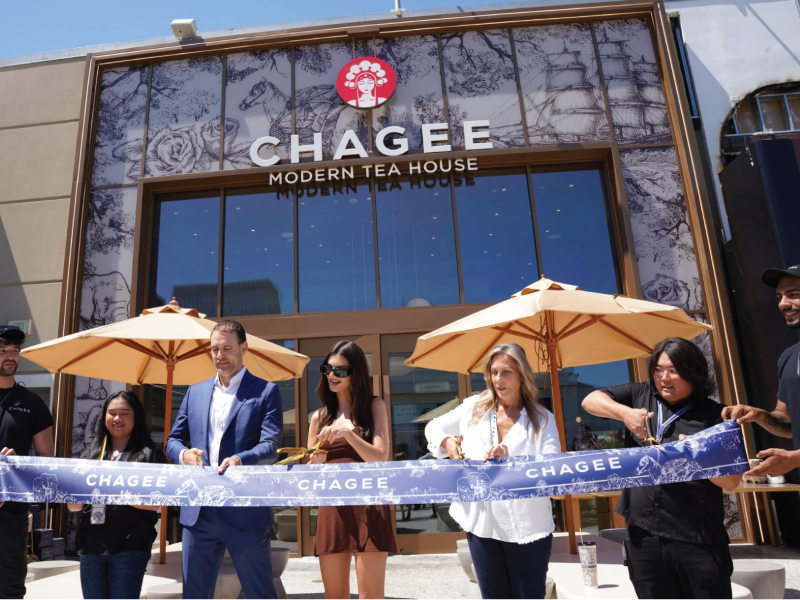
CHAGEE’s flare-up also lands in a broader moment for China’s “new-style tea” sector: Milk tea has surged in popularity over the past decade, turning the domestic market fiercely competitive and pushing leading brands overseas. CHAGEE opened its first U.S. flagship store in Los Angeles in May 2025 and has targeted Southeast Asia and North America for expansion.
Yet health anxieties around the category have long simmered at home. In 2018, a viral article titled “Milk Tea Is Destroying the Health of China’s Young People” ignited a national debate and was even reposted by People’s Daily’s WeChat platform.
The episode left a lasting imprint: milk tea in China has remained an everyday indulgence shadowed by recurring health concerns—high sugar, caffeine, fat, and trans fats—priming the public to react sharply when new controversies hint at hidden costs.
Thus, when sensationalist content warned that “milk tea = drugs,” it tapped into both health fears (sleeplessness, heart palpitations) and moral fears (drugs destroying lives)—a potent combination that triggered collective overreaction. In a market already on edge, a single offhand line from an influencer—not even the centrepiece of his post—was enough to rattle the brand and whip up volatility.
The episode also underscored an asymmetry for U.S.-listed Chinese consumer companies. The story barely registered in English-language coverage beyond market briefs, yet it still fuelled a sharp sell-off. Even when many shareholders sit outside the Chinese mainland, the audience that can make or break a brand often remains inside it.

JD.com chickens out to masculinist "boy"cotts

JD.com, the world's second-largest online store and China's largest retailer, canceled its partnership with female comedian Yang Li just four days after announcing her as a brand ambassador, chickening out to hopping mad male netizens offended by her stand-up comedy four years ago.
Ma Dugong: glad that we are all clowns in different makeup

Ren Chonghao, known by his pen name Ma Qianzu (foot soldier) or Ma Dugong (foreman), is a popular Chinese commentator on military and geopolitical affairs. He engages a substantial audience through various media platforms, with over two million followers on