


In Hunan, a central Chinese province with a population of over 65 million and a significant agricultural base, rising healthcare premiums are becoming too expensive for many farmers, who are now calling them a new “agricultural tax.” As incomes stagnate and costs rise, many are opting out of the system, putting their health at risk and undermining trust in the government.
This article, based on a survey conducted by Hunan Normal University, highlights several key problems with the current system in Hunan: healthcare resources are heavily concentrated in urban areas; the “pay-as-you-go” model, where people pay premiums in the same year they receive care, doesn’t incentivise long-term financial planning; and some local governments have resorted to mandatory policies, such as linking insurance payments to eligibility for public services, further fuelling frustration. As premiums keep rising, the system is losing its appeal, particularly among working-age adults who are prioritising immediate financial concerns.
—Yuxuan Jia
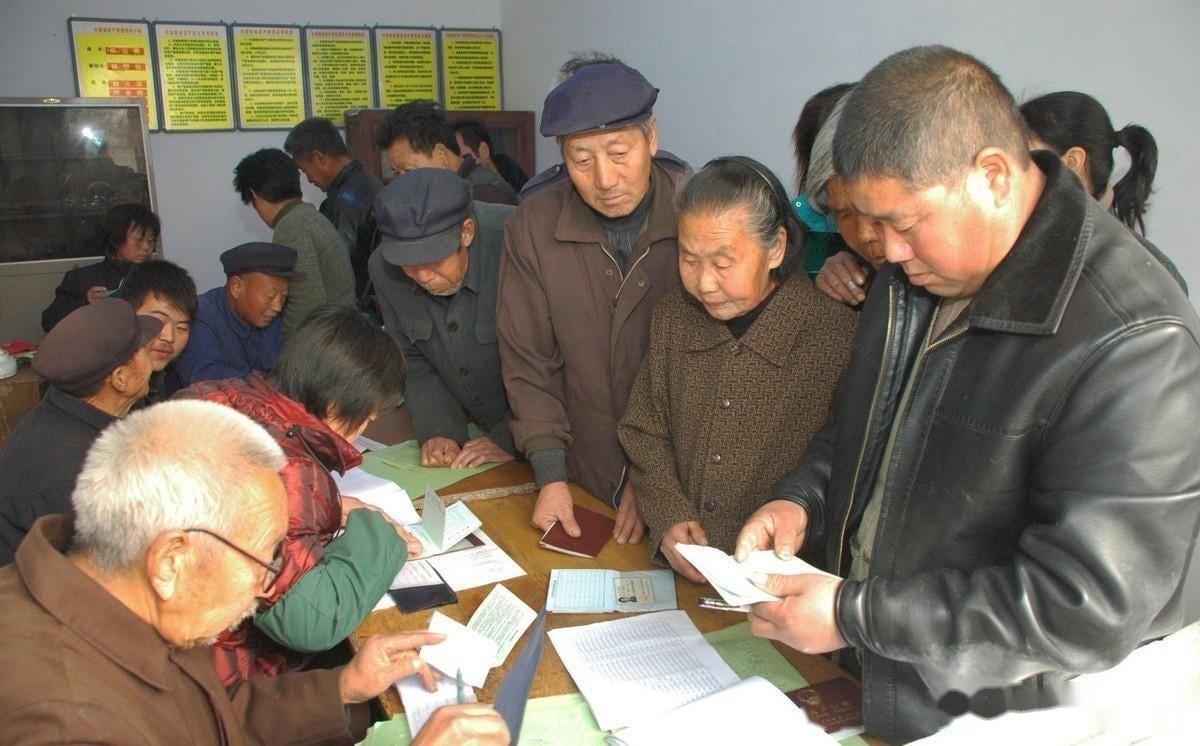
The authors argue that urgent reforms are needed, including redistributing healthcare resources, adjusting premiums to better match rural incomes, and adopting more voluntary enrolment practices.
The article was written by Chen Wensheng, Hu Yangming, both professors, Cheng Zhongpei, a lecturer, and Zhang Ning, a PhD student, all from the China Rural Revitalisation Research Institute, Hunan Normal University. It was published in mid-June 2025 on the website and WeChat blog of 中国农村发现 China Rural Discovery platform, which is operated by the institute.
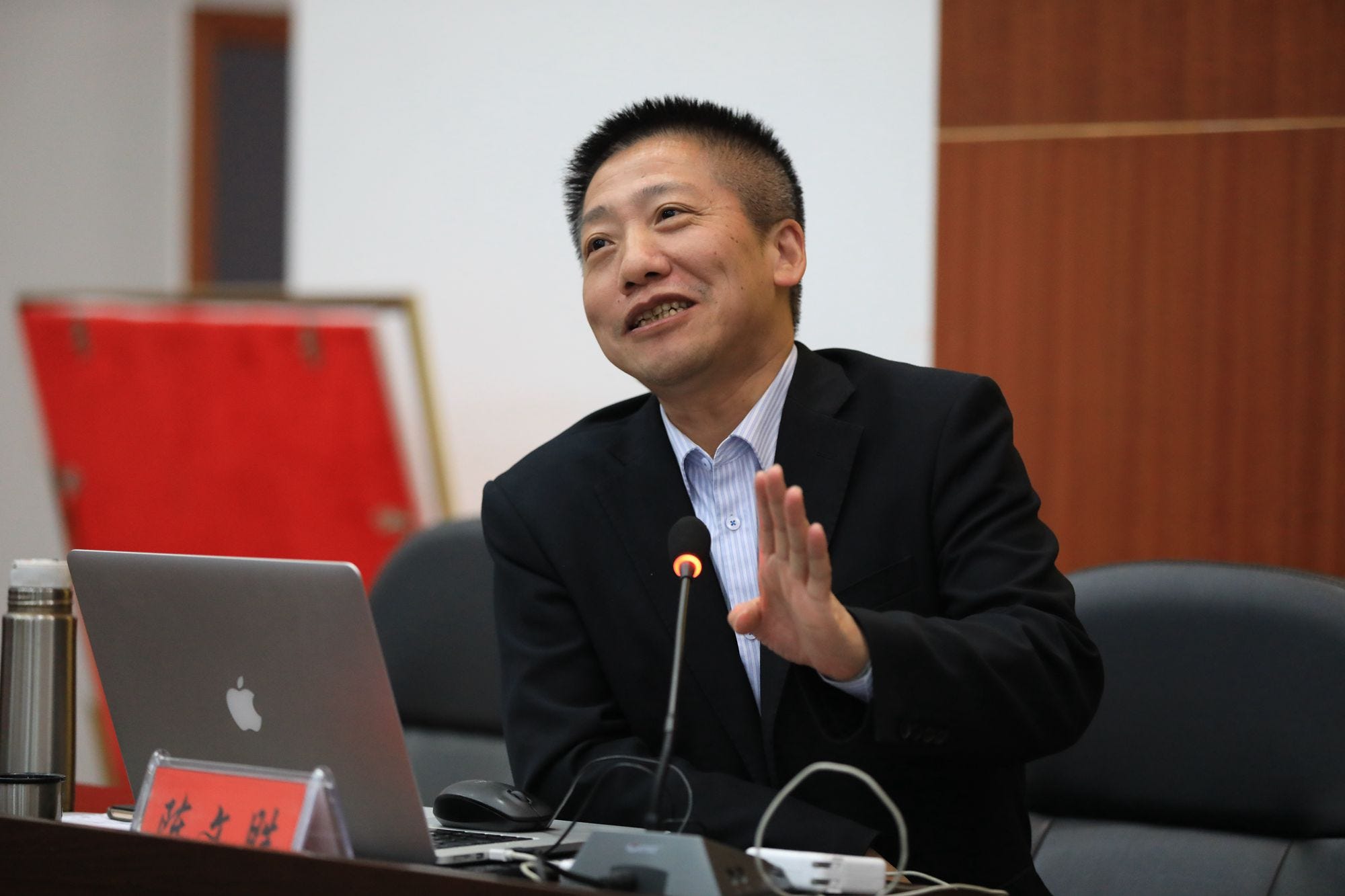
陈文胜等:防范农村医保征缴的社会稳定风险刻不容缓
Chen Wensheng et al.: Preventing Social Stability Risks from Rural Healthcare Insurance Premium Collection is Urgent
As the push for rural revitalisation and common prosperity continues, basic medical insurance for rural residents has become a cornerstone of the national healthcare system. It plays a vital role in safeguarding farmers’ health and effectively reducing the risk of poverty caused or worsened by illness. Based on voluntary enrolment, this inclusive policy reflects the health hopes of hundreds of millions of farmers. However, its implementation at the grassroots level faces practical challenges.
The premium collection process, which covers vast regions, affects a large population, and is of great public concern, has become increasingly difficult in recent years. This challenge is further complicated by factors like significant demographic shifts in rural areas and differing perceptions of economic burdens. The growing difficulties in premium collection not only threaten the sustainability of the rural healthcare insurance system but also hinder the development of a high-quality rural healthcare security system. Addressing this bottleneck and finding pragmatic, effective solutions has become an urgent priority in strengthening the foundation of public welfare.
I. The Real-World Challenges and Social Risks in Rural Health Insurance Premium Collection
Grassroots premium collection is the final step in putting healthcare insurance policies into action, and its success directly affects how well the system covers people and ensures fairness. Right now, rural healthcare insurance collection in Hunan is facing several challenges, mainly in three areas: economic pressure, people’s willingness to enrol, and the methods used to collect premiums. These challenges create a complicated situation where larger structural issues and individual choices are closely linked.
1. The increase in premiums has far outpaced income growth, putting heavy financial pressure on farmers.
Since the launch of the “New Rural Cooperative Medical Scheme” (NRCMS), the amount that individuals pay for rural healthcare insurance has risen consistently. In 2007, the NRCMS premium was only 10 yuan. By 2016, after Hunan merged its urban and rural healthcare insurance systems, the annual premium had increased to 120 yuan. By the end of 2024, this had risen to 400 yuan, a huge 233.3% increase over nine years. Meanwhile, rural per capita consumption spending in Hunan grew by just 88.8% during the same period, leaving a gap of 144.5 percentage points between the growth rates of premiums and consumption.
The current premium is now more than twice the average monthly basic pension for ordinary farmers. For a typical rural family of six (two children, three generations), the annual premium amounts to 2,400 yuan—an unavoidable financial strain for many households. In surveys, some farmers even view this as a new “agricultural tax” imposed by the government. According to a 2024 survey on Hunan’s healthcare insurance, 74.4% of uninsured respondents said they opted out due to “low income and difficulty paying premiums.”
2. Declining Enrolment Willingness and the Risk of Coverage Fragmentation
In recent years, a growing disparity has emerged between steadily improving basic medical insurance benefits and declining enrolment numbers. Data from the National Healthcare Security Administration shows a consistent drop in the number of participants in China’s Basic Medical Insurance for Urban and Rural Residents (BMIURR) since 2020. Even after accounting for some population shifting from BMIURR to urban employee medical insurance [a separate state-run scheme offering higher reimbursements], the BMIURR pool still saw an average annual net reduction of over 20.55 million people between 2022 and 2023.
The ongoing rise in premiums has greatly reduced rural residents’ enthusiasm for enrolment. Field research in Hunan reveals that participation rates in rural medical insurance are generally below 90% in villages across southern and western Hunan, with many areas seeing enrolment rates between 70% and 80%. Notably, “selective enrolment” has become more common, with many families opting to insure high-risk groups, such as the elderly and children, while voluntary dropout rates are notably higher among working-age adults.
This demographic fragmentation reflects both a loss of confidence in the medical insurance system and economic calculations among rural residents. Healthy working-age adults, prioritising limited income for production or children’s education, are increasingly adopting a wait-and-see attitude toward the “future benefits” of medical insurance.
3. Excessive Reliance on Administrative Procedures and the Growing Risk of a Government Trust Crisis
At the grassroots level, some local governments have triggered public dissatisfaction due to policy enforcement issues. Driven by performance evaluation pressures, many local officials have resorted to rigid and coercive methods to increase enrolment, such as linking insurance payments to eligibility for basic public services or bundling them with job applications, social assistance approvals, and homestead permits.
For example, the Zhenshang Township government in Xinhua County, Hunan, aiming to improve its collection ranking, issued a Notice on Strengthening Healthcare Insurance Collection Management without a proper compliance review. It mandated that “families failing to pay premiums would be barred from applying for subsistence allowances,” effectively enforcing compulsory enrolment. This not only violates national healthcare insurance regulations but also worsens tensions between officials and residents, severely undermining local government credibility.
Research shows that such cases are not unique to Hunan. In many areas, local governments link collection quotas to village officials’ performance evaluations, leading some to prepay premiums to artificially boost enrolment rates—resulting in new debts at the village level. These practices pose a significant risk, weakening grassroots governance and further undermining public trust.
II. Structural Contradictions Underlying Rural Healthcare Insurance Premium Collection Challenges
Behind the apparent “collection difficulties” lies a deeper issue of urban-rural structural contradictions. From the distribution of healthcare resources to policy design, and from economic pressures to perceptions, multiple factors are interwoven, creating structural bottlenecks that impede the premium collection process.
1. Imbalance in the “Spatial Justice” of Medical Resource Allocation Between Urban and Rural Areas
There has been a long-standing imbalance in the distribution of medical resources, with high-quality healthcare concentrated primarily in urban areas. By the end of 2024, Hunan Province had 89 Grade-A tertiary hospitals, with 34 of them (38.2%) located in the capital Changsha. This means there were 0.52 hospitals per 10,000 residents in Changsha, far higher than the provincial average of 0.136 per 10,000. In contrast, the Xiangxi Autonomous Prefecture had just one Grade-A tertiary hospital, and cities like Zhangjiajie and Huaihua had fewer than five. Some counties, like Yongshun and Sangzhi, had no Grade-A tertiary hospital at all.
Rural primary healthcare facilities face significant gaps in diagnostic equipment, medication supplies, and professional staff—especially general practitioners and specialists—making it difficult for farmers to access convenient, high-quality care locally. The concentration of better medical resources in urban areas forces rural residents to travel to cities for treatment of serious, chronic, or complex conditions. Cross-city medical reimbursements within the province are typically 15%-20% lower, and additional costs for transportation and accommodation further increase the financial burden. Furthermore, rural residents, who generally have lower education levels, are more susceptible to unnecessary treatments or inflated charges in urban hospitals, which deepens the “effectiveness gap” of their insurance coverage.
2. Failure of the Incentive Mechanism in Policy Design to Align with Demand
While the benefits of residents’ medical insurance have improved in recent years, they have primarily been concentrated among a small group of individuals with major or critical illnesses. For the majority of rural enrolees who are either healthy or only need outpatient care, the continuous rise in premiums has not been reflected in noticeable improvements in coverage. This has led to a widespread sense of “paying more without getting more benefits.”
On one hand, with the removal of fixed outpatient reimbursement, most routine outpatient expenses now have to be paid out-of-pocket, and costs below the deductible threshold (typically between 100-300 yuan) are not reimbursed. This has significantly increased the financial burden on farmers seeking treatment for minor health issues. For instance, a typical outpatient visit for a cold or fever costs around 100-200 yuan, with most of the cost being self-paid.
On the other hand, the current “pay-as-you-go” model for residents’ medical insurance, where premiums are paid in the same year that coverage is received, offers no incentives for those who have paid premiums for many years without needing medical care. Their contributions do not accumulate into future benefits (such as personal account savings), leading to a decreasing sense of value from their insurance coverage each year and further reducing their willingness to renew it.
3. Lack of Flexible Adaptation of Payment Mechanism to Income Levels
Since the integration of urban and rural residents’ medical insurance in Hunan, the premium standard has increased from 120 yuan in 2016 to 400 yuan in 2025, with an average annual increase of 14.2%. In contrast, the average annual growth rate of rural residents’ per capita disposable income during the same period was only 8%, resulting in a 6.2 percentage-point gap.
At the same time that farmers’ income growth has slowed, the cost of living in rural areas—such as education, elderly care, and housing—has continued to rise. The sharp increase in medical insurance premiums has created a significant financial burden for rural households. The situation is further complicated by income disparities within rural areas, which have led to differences in the ability to pay. Some elderly individuals, wishing to avoid burdening their children, have chosen to drop their coverage. Families experiencing labour outflow, lacking stable local income sources, are more financially sensitive to premium payments, making them more likely to drop their coverage. In 2016, the per capita living expenditure of rural residents in Hunan was 10,630 yuan; by 2024, it had risen to 20,068 yuan—an 88.78% increase—further squeezing the disposable income available for insurance payments.
III. Systematic Approaches to Address the Challenges of Rural Medical Insurance Premium Collection
To tackle the challenges of rural medical insurance collection, it is essential to move beyond the narrow focus of “just discussing collection” and implement coordinated efforts from multiple perspectives, including the reform of medical resource distribution, optimisation of institutional design, and innovation in grassroots governance.
1. Restructure the Distribution of Medical Resources to Enhance Accessibility of Primary Services
The uneven distribution of medical resources between urban and rural areas is a fundamental cause of the difficulties in collection. Breaking the rural-urban divide is essential. It is necessary to increase investment in rural healthcare infrastructure and establish a provincial special fund for rural healthcare, focusing on equipping central township health centres with essential medical equipment, such as CT and colour ultrasound machines, and ensuring comprehensive coverage of emergency vehicles in counties.
Additionally, initiatives like the “Rural Doctor Program for University Graduates” and the “Special Post Program for General Practitioners” should be further developed and promoted. Physicians serving in rural areas for five years should enjoy special housing subsidies and a separate channel for professional title evaluations. It is essential to ensure that each township health centre is equipped with at least two general practitioners.
A shared medical resource mechanism between urban and rural areas should also be established, implementing the model of “urban hospitals managing rural health centres” with unified management of personnel, finance, and supplies. Furthermore, a “remote medical network” should be developed by creating a comprehensive remote diagnostic centre, enabling real-time connections between every township hospital and provincial tertiary hospitals, so that farmers can access expert diagnosis and treatment services without leaving their county.
2. Strengthen the Construction of Medical and Health Consortia at the County Level and Establishing a Tiered Diagnosis and Treatment System
Medical and health consortia at the county level are crucial for integrating medical resources and improving service efficiency. Efforts should be made to promote comprehensive coverage of these closely integrated consortia, adhering to unified standards for administrative management, personnel management, operational management, pharmaceutical and equipment management, financial management, and performance assessment, to ensure full coverage at the county, city, and district levels.
Additionally, improving the two-way referral incentive mechanism is essential. A directory of diseases appropriate for tiered diagnosis and treatment in Hunan Province should be created; common, frequently occurring, and stable chronic diseases should be managed at the township and village levels, while complex and critical cases should be promptly referred to county-level hospitals. A seamless process should be in place for transferring rehabilitation cases back to primary facilities. Furthermore, a unified information platform covering the medical and health consortia should be established to ensure interoperability and mutual recognition of electronic health records, electronic medical records, and examination and test results.
3. Implement a Dynamic Adjustment Mechanism for Premium Standards to Align with Farmers’ Actual Income Levels
A system should be established to adjust reimbursement standards based on the real income and economic capacity of farmers. At the provincial level, a dynamic adjustment formula should be developed that links premium standards to the growth of per capita disposable income for rural residents, taking into account the income and financial burdens of farmers in different regions and demographic groups. This will ensure that premium increases are reasonable and controllable, avoiding sudden and steep hikes.
In addition to the existing assistance policies for disadvantaged residents under the medical insurance system, efforts should be made to further enhance financial support for vulnerable groups within rural medical insurance. Full coverage of medical expenses should be extended to low-income individuals and those at risk of falling back into poverty, while the scope of half-coverage should be expanded to include low-income individuals, those requiring temporary assistance, and other disadvantaged groups. Regions with the resources to do so should be encouraged to increase the half-coverage rate above 50%. For households on the brink of poverty or facing sudden, severe difficulties, establishing a temporary premium assistance mechanism is essential to provide additional support.
4. Optimise the Structure of Medical Insurance Benefits to Enhance Overall Satisfaction
To address the key challenges faced by rural residents, it is essential to adjust the scope of coverage in a targeted manner, enhancing the appeal of the policy.
Firstly, optimise the outpatient reimbursement mechanism. This includes raising the benefits and payment limits for outpatient medical insurance at primary healthcare institutions (such as township hospitals and village clinics). Specifically, the focus should be on including outpatient medications for chronic conditions like hypertension and diabetes, as well as common ailments, within the reimbursement scope of these institutions. Furthermore, increasing the reimbursement rate will effectively ease the financial burden on residents, enabling local care and local reimbursement for minor illnesses.
Secondly, innovate the insurance enrolment incentive system. One way to encourage continuous participation is by offering tiered discounts for those who keep up with their insurance payments or increasing reimbursement rates for those who need medical care. Additionally, a tiered insurance model could be introduced, with a “Basic Tier” and an “Upgraded Tier” offering higher reimbursement rates or broader coverage (such as for specialty medications). This approach follows the principle of “the more you pay, the more you benefit” and aims to meet a range of needs.
Thirdly, improve the medical insurance service ecosystem. Implementing a “one-stop” settlement process will allow for instant settlement of basic medical insurance, critical illness insurance, and aid under a single bill at provincially designated hospitals, especially county hospitals, thereby eliminating the need for patients to make upfront out-of-pocket payments and multiple reimbursement trips. Additionally, strengthening fund oversight and raising public awareness through the use of intelligent systems to combat insurance fraud is crucial. Regularly disclosing fund income and expenditure, along with local benefit cases, will enhance policy transparency and foster trust through clear language and relatable examples.
Part III of China's medical security system: bridging the urban-rural divide (2018-present)

This is Jia Yuxuan from Beijing, finally coming to the present phase of China’s medical security system, after the planned economy era and the early days of reform and opening up. This article, authored by Cai Haiqing, former Director of Treatment Insurance, Jiangxi Province Healthcare Security Administration, was originally
Part II of China's medical security: transition to the market economy (1978-2017)

In Part II of Cai Haiqing's article on China's medical security reform, the focus is on the transition from a system catered to individuals within the state apparatus to a more broad-based social medical "insurance" system with social pooling and individual contributions. This shift reflects China's response to the overhaul of state-owned enterprises (S…
China never had free healthcare before its market reforms

Although only a tiny fraction of China’s population truly benefited from the so-called “free” medical care system in the planned economy era, the collective memory of that period remains heavily shaped, and often romanticised, by privileged groups and unsophisticated commentators. They continue to portray it as a utopian, universal free healthcare syste…
Gordon G. Liu on China's healthcare reforms: overcrowded clinics, underpowered pharma

Most Chinese patients tend to seek primary care at tertiary hospitals—the top tier of China’s three-level healthcare system—even for minor ailments. This has resulted in overcrowding at higher-level hospitals and the continued underdevelopment of community-based medical services. Institutional barriers that restrict practitioners from working across mul…